Written by Bilge · Last updated 26 November 2026
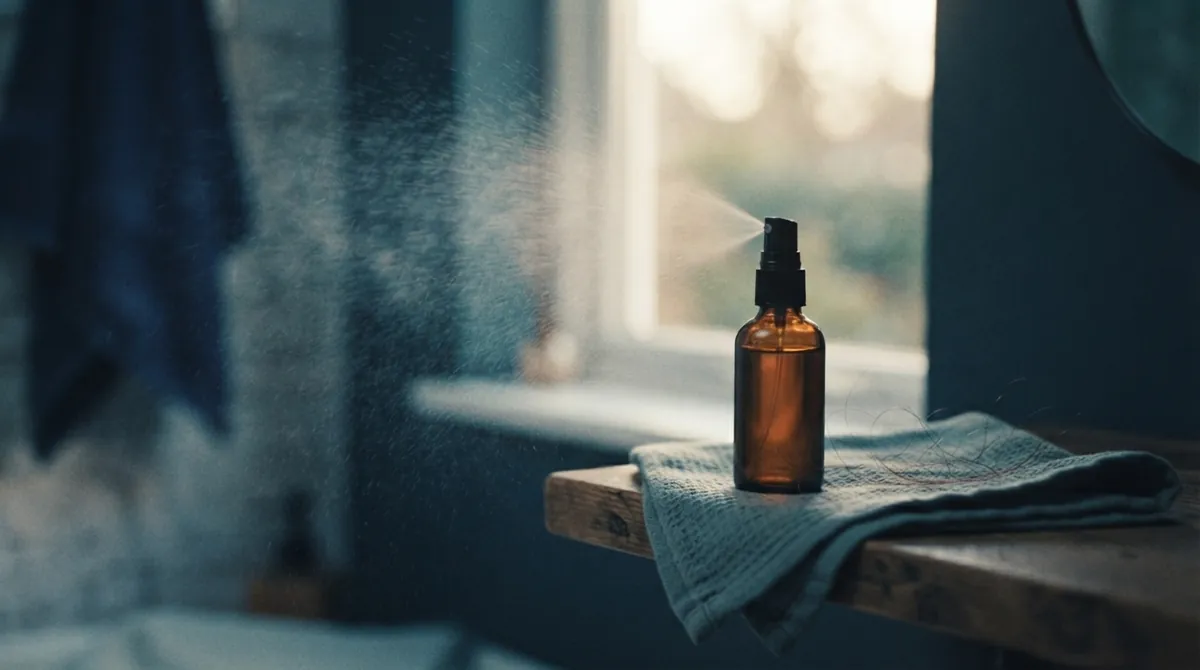
Itching is one of the most common complaints after a hair transplant. It can start just as the scabs form and the urge to scratch is strong, which is exactly when the grafts are most vulnerable. This guide explains why the scalp itches, how long it usually lasts, what helps, and when itching is a sign of something that needs checking.
Short answer
- Itching is common and usually starts around days 3 to 7 after surgery.
- It normally lasts days to a few weeks; a small number of people have it for several months.
- Do not scratch. Saline spray, gentle washing and cool compresses usually help.
- Itching with spreading redness, pimples, pus or a rash should be checked.
Why does the scalp itch after a transplant?
Itching is a normal part of skin healing. As the tiny wounds close and crusts form around each graft, the skin dries and nerve endings become more sensitive. Washing products, dry air and sweat can add to the irritation. Later on, new hairs pushing through the skin can also cause itching.
How long does it last?
A 2026 review of complications after FUE describes itching as common. It usually appears in the first week, typically on days 3 to 7, and lasts days to weeks. A small proportion of patients have itching for several months, with persistent cases reported up to around six months.
| When | What is typical |
|---|---|
| Days 1–2 | Tightness and soreness more than itching |
| Days 3–10 | Itching often at its worst as crusts form and come away |
| Weeks 2–4 | Usually easing |
| Months 2–4 | Can return mildly as new hairs grow through |
What helps
- Do not scratch or rub. In the first two weeks, scratching can dislodge grafts. If you must, press gently with a clean fingertip on the area instead.
- Saline spray. Many clinics give a saline spray to keep the area moist; the 2026 review lists saline sprays among the first steps for itching.
- Gentle washing exactly as your clinic shows you, which also helps crusts come away.
- Cool compresses held lightly against the area, not pressed or rubbed.
- Keep cool. Heat and sweating make itching worse; see when you can return to the gym in After a hair transplant, when can I…?.
- Ask your clinic before using any cream, oil or shampoo they have not given you.
For moderate or persistent itching, a doctor may suggest an antihistamine tablet or a mild steroid lotion. Do not start these on your own; check with your clinic or doctor first.
When itching is a warning sign
The same review advises checking for folliculitis, contact dermatitis and reactions to antiseptics or hair products when itching is intense or persistent. Contact your clinic or a doctor if you notice:
- Spreading redness, swelling or warmth.
- Pimples, pustules or pus. See our guide to folliculitis after a hair transplant.
- A rash after using a new product.
- Itching that is getting worse after the first two weeks rather than better.
For washing technique and the first weeks of care, read our post-transplant scalp care guide.
Sources
- Romera de Blas C, Vega Díez D, Ricart Vayá JM, et al. Complications in follicular unit excision hair transplantation: current evidence and practical approaches. Front Med. 2026;13:1750989. PMC12909172
- NHS. Hair transplant: recovery. nhs.uk