Scalp Health for Men
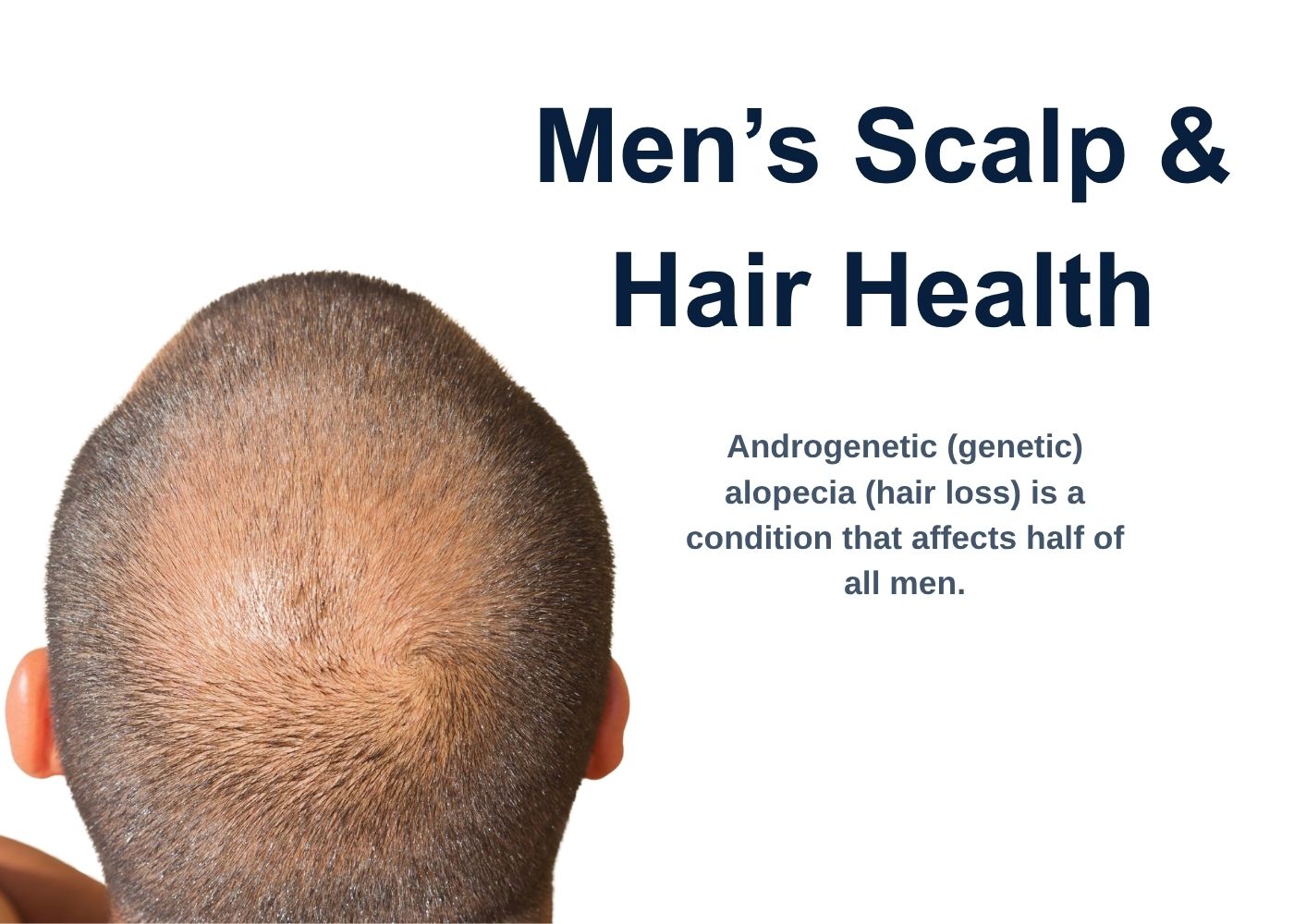
By the age of 35, approximately two thirds of men will have experienced some degree of measurable hair thinning. By 50, that figure reaches 85%. Yet most men take no action until significant density has already been lost — because the early signals are subtle, the causes are misunderstood, and the available interventions are rarely explained clearly. This guide is for men who want to get ahead of the process: understand what’s actually happening on your scalp, catch the warning signs early, and build a science-based prevention strategy that works.
The primary driver of early hair thinning in men is androgenetic alopecia (AGA) — also called male pattern baldness. This is not simply a genetic inevitability that cannot be influenced. It is a hormonal and inflammatory process that unfolds gradually over years, and understanding its mechanism is the foundation of effective prevention.
Testosterone converts to DHT
The enzyme 5-alpha reductase (5-AR) — present in scalp tissue — converts testosterone into dihydrotestosterone (DHT), a more potent androgen. Men produce substantially more testosterone than women, which means significantly more DHT is available to act on scalp follicles.
DHT binds to follicle androgen receptors
In men with genetic sensitivity to DHT (determined by the androgen receptor gene on the X chromosome), DHT binds to receptors within the hair follicle and progressively shortens the anagen (growth) phase while extending the telogen (resting) phase. Each successive growth cycle produces a shorter, finer hair shaft.
Follicle miniaturisation
Over repeated cycles, the follicle shrinks — producing progressively finer, shorter, lighter (vellus) hairs until eventually producing no visible hair at all. This miniaturisation process takes years to decades, which is precisely why early intervention is so effective: follicles that are miniaturising but still producing visible hair can be preserved and partially reversed.
Perifollicular inflammation compounds the damage
DHT-sensitive follicles also trigger a localised inflammatory response — microinflammation — in the tissue surrounding the follicle. This perifollicular fibrosis gradually replaces the supportive connective tissue with scar-like fibrous tissue, further restricting follicular function and blood supply. Addressing this inflammatory component is an underappreciated aspect of prevention.
“Male pattern thinning is not a switch that gets flipped — it is a dimmer that gradually turns down over years. The earlier you engage with the process, the more control you have over where it stops.”
The Hamilton-Norwood scale is the standard classification system for male pattern hair loss, ranging from Type I (no significant loss) to Type VII (extensive loss). Understanding where you currently sit — and where your pattern appears to be heading — informs which interventions are most appropriate.
No recession. Full hairline.
Minor temple recession only.
Visible temple recession. Best time to intervene.
Temple + crown thinning. Intervention still highly effective.
Connecting recession. Moderate response to treatment.
Bridge gone. Limited treatment response.
Extensive loss. Only hair transplant viable.
The highlighted stages (III–IV) represent the optimal intervention window. At these stages, follicles are miniaturising but still viable — and the most commonly used treatments have their strongest evidence base. Most men who seek treatment at stages VI–VII are disappointed by the results, not because the treatments don’t work, but because there are no longer enough viable follicles to respond to them.
The challenge with early thinning is that it is subtle. Most men notice it only after 30–40% of density in an area has already been lost — because the human eye cannot easily detect gradual changes. These signals appear earlier and are worth monitoring actively from your mid-20s.
Fine, short, pale hairs appearing at the temples or crown where thicker hairs previously grew. Compare hairline photos from 12 months ago.
The hairline gradually moving backward — particularly at the temples. A photo taken in good lighting from the same angle, compared to a photo from 1–2 years ago, is more reliable than a mirror.
Noticeably more hairs in the shower drain or on the pillow. Normal shedding is 50–100 hairs per day; consistently higher suggests active telogen shifting.
More scalp visible through the hair under bright overhead lighting or in photographs taken from above — particularly at the crown.
DHT upregulates sebaceous gland activity. A scalp that has become noticeably oilier — particularly around the hairline — can be an early hormonal signal.
Perifollicular microinflammation — the inflammatory component of AGA — often presents as a persistent low-level scalp itch or sensitivity, particularly at the hairline and crown.
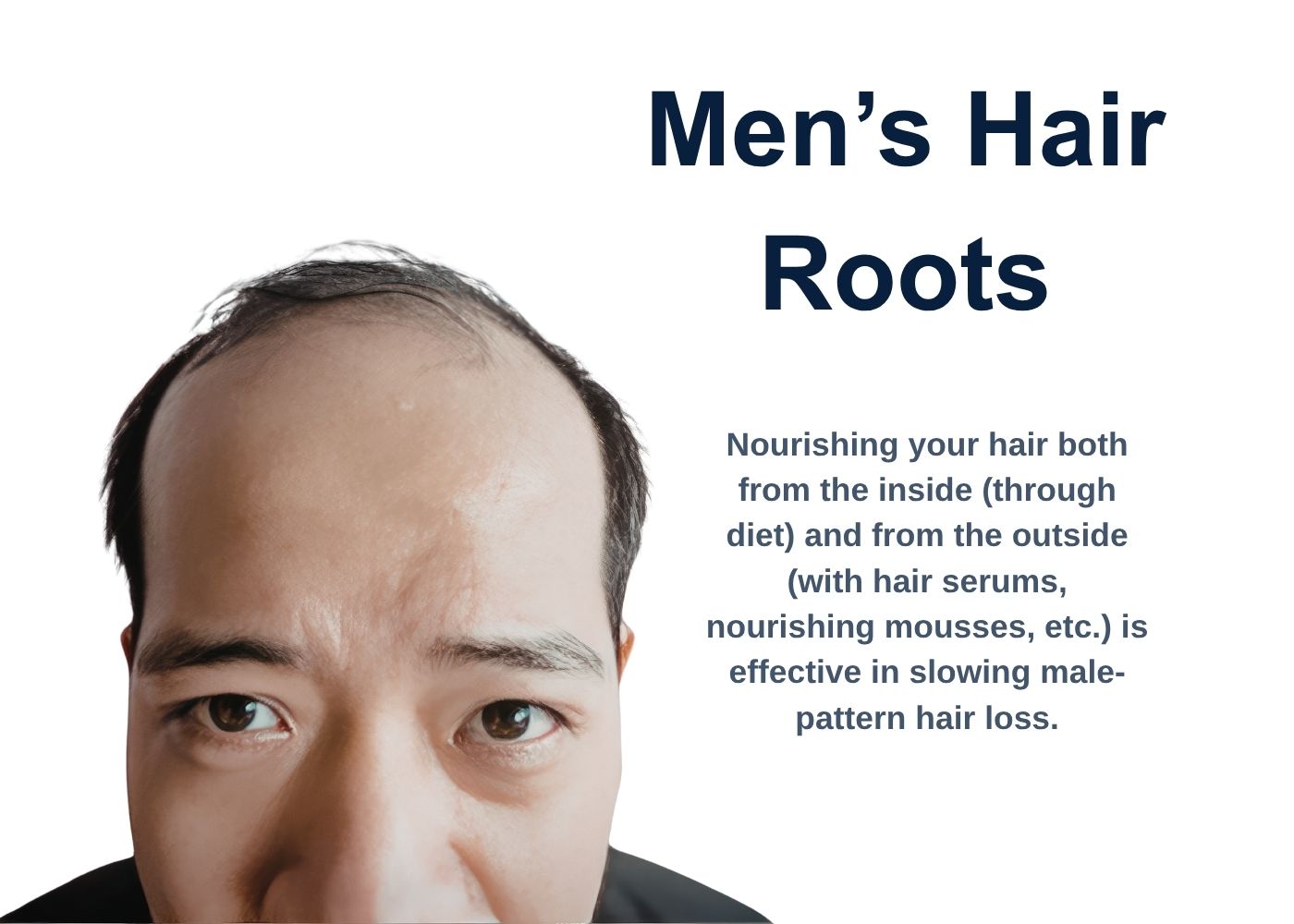
Prevention in the context of early male thinning means slowing miniaturisation, reducing the DHT-driven inflammatory process, and maintaining the scalp environment in a state that supports follicular longevity. The following interventions have the strongest evidence base.
| Treatment | Type | Mechanism | Evidence |
|---|---|---|---|
| Finasteride 1mg/day (oral) | Prescription | Inhibits 5-alpha reductase type II, reducing scalp DHT by approximately 70%. The most clinically effective pharmacological prevention available. | Strong — multiple large RCTs. Halts progression in ~83% of men; regrowth in ~66% at 2 years. |
| Minoxidil 5% (topical) | OTC | Vasodilator that increases scalp blood flow and prolongs the anagen phase. Does not address DHT directly but stimulates follicular activity independently. | Strong — decades of clinical evidence. Most effective when combined with finasteride. |
| Minoxidil oral (low dose 0.25–1mg) | Prescription | Same mechanism as topical but systemic delivery. Recently gaining traction for men who find topical application inconvenient or who don’t respond adequately to topical. | Moderate-to-strong — growing evidence base. Dermatologist supervision required. |
| Ketoconazole 2% shampoo | OTC/Rx | Antifungal with demonstrated anti-androgenic properties. Reduces scalp DHT locally and addresses the Malassezia-driven inflammation that worsens AGA. | Moderate — one RCT showed comparable efficacy to 2% minoxidil for hair diameter. Excellent as adjunct to primary treatment. |
| Saw palmetto (topical or oral) | Natural | Inhibits 5-alpha reductase. Effect size significantly smaller than finasteride but with a favourable side effect profile. Evidence for topical form particularly growing. | Moderate — useful for men who decline finasteride. Best evidence for topical application in shampoo or serum form. |
| Microneedling (dermaroller) | Topical | Creates micro-injuries that stimulate growth factors (VEGF, Wnt pathway activation). Enhances minoxidil absorption when used alongside it by up to 4-fold. | Moderate — RCTs show benefit as adjunct to minoxidil. See our microneedling guide. |
| Rosemary oil (topical) | Natural | Stimulates scalp circulation; demonstrated comparable efficacy to 2% minoxidil in one RCT. Lower concentration DHT inhibition. Practically low-risk and inexpensive. | Moderate — one well-cited RCT. Best used as a complement to primary treatment, not standalone. |
Beyond pharmaceutical interventions, a set of daily scalp health practices directly impacts the pace of follicular miniaturisation and the quality of the scalp environment. These do not stop DHT-driven loss on their own, but they meaningfully extend the viability of your follicles and amplify the effectiveness of primary treatments. As emphasized in Vogue Scandinavia’s expert guide on building a healthy scalp, a thriving hair ecosystem requires more than just reactive treatments; it demands a proactive foundation of scalp hygiene and stimulation to ensure long-term follicular resilience.
A 2016 Japanese study found that 4 minutes of standardised scalp massage daily for 24 weeks produced a statistically significant increase in hair shaft thickness. The proposed mechanism is mechanical stretching of dermal papilla cells — the cells at the base of the follicle responsible for signalling hair growth — which upregulates hair cycle-regulating genes. A vibrating scalp massager combines mechanical stimulation with circulation enhancement for maximum effect. Low risk, no cost, and cumulative benefit with consistency.
Sebum accumulation and dead cell buildup around the follicle opening contributes to perifollicular inflammation — the same inflammatory process that compounds DHT-driven miniaturisation. Weekly scalp exfoliation with a salicylic acid-based product removes this buildup, reduces local inflammation, and ensures topical treatments (minoxidil, rosemary oil) can penetrate the follicle effectively rather than sitting on a layer of sebum and dead cells.
Seborrheic dermatitis is significantly more common in men than women, and it is also an independent amplifier of androgenetic alopecia — the inflammation driven by Malassezia yeast activity worsens perifollicular fibrosis. Men with both AGA tendency and seborrheic dermatitis should treat the SD actively as part of their hair preservation strategy. See our complete seborrheic dermatitis management guide.
The following nutritional factors have the strongest direct evidence for supporting men’s scalp health and slowing miniaturisation:
- Adequate protein (1.2–1.6g/kg body weight): DHT weakens keratin synthesis; adequate protein counteracts this by ensuring the building blocks for hair production remain available. See our guide on protein and keratin production.
- Zinc (15–25mg/day): Zinc inhibits 5-alpha reductase activity at the cellular level — the same enzyme that converts testosterone to DHT. Food sources: oysters, beef, pumpkin seeds. Supplementation if dietary intake is low.
- Vitamin D (2,000–4,000 IU/day): Vitamin D receptors are expressed in hair follicles and play a role in anagen initiation. Deficiency is strongly associated with both AGA progression and telogen effluvium in men.
- Omega-3 fatty acids: Reduce systemic and local scalp inflammation — the perifollicular inflammatory component of AGA. Oily fish (salmon, mackerel, sardines) 2–3x per week, or a quality fish oil supplement.
- Lycopene: Found in cooked tomatoes, watermelon, and red peppers. Lycopene has demonstrated 5-alpha reductase inhibitory activity in research, providing a dietary complement to pharmacological DHT reduction.
Chronic cortisol elevation increases 5-alpha reductase activity — accelerating DHT production — and triggers telogen effluvium on top of AGA-related thinning. For men with a genetic predisposition to thinning, chronic work stress, poor sleep, and high-intensity exercise without adequate recovery can meaningfully accelerate the trajectory of loss. This is not metaphorical — it is a hormonal mechanism. See our full guide on stress and scalp health.
🌅 Morning
- Apply topical minoxidil 5% to dry scalp — focus on hairline and crown. Wait 4 hours before washing if possible.
- Take any oral supplements with breakfast: zinc, vitamin D, omega-3, biotin if deficient
- If using oral finasteride — take daily with or without food (consistent timing improves adherence)
🚿 Wash Days (every 2–3 days)
- Alternate between ketoconazole 2% shampoo (leave on 3–5 minutes) and a sulphate-free scalp shampoo
- On wash days, perform 4–5 minutes of scalp massage with fingertips or a silicone scalp massager before or during washing
- Once weekly: apply salicylic acid scalp exfoliant before washing, leave 5 minutes, then shampoo as normal
🌙 Evening (3–4 nights per week)
- Apply diluted rosemary oil (5–6 drops in 1 tbsp jojoba carrier oil) to scalp. Massage for 3–5 minutes. Leave overnight or rinse after 30 minutes.
- If using a dermaroller (0.5–1mm): use once weekly on dry scalp before rosemary oil application. Never on inflamed or sensitive scalp.
📅 Monthly
- Photograph scalp in the same lighting and angle — crown and hairline. Compare with the previous month’s photo.
- Use a chelating shampoo once monthly if you live in a hard water area — see our hard water guide.
Self-directed prevention is appropriate for early-stage thinning. However, the following situations warrant professional assessment:
- Thinning before age 25: Early onset AGA can progress rapidly. A dermatologist can assess the pattern, rate of progression, and recommend an aggressive early-intervention protocol that significantly improves long-term outcomes.
- Patchy rather than diffuse loss: Discrete bald patches suggest alopecia areata rather than AGA — a completely different condition requiring different treatment. Self-treating with AGA protocols will not help alopecia areata.
- No response to OTC treatments after 6 months: If consistent minoxidil use and scalp optimisation have produced no measurable slowing of loss, a prescription approach (finasteride, oral minoxidil) is appropriate and significantly more effective.
- Rapidly accelerating loss: A sudden, rapid increase in the rate of thinning warrants investigation — it may signal an underlying condition (thyroid dysfunction, nutritional deficiency, autoimmune disease) beyond standard AGA.
- Significant scalp symptoms alongside thinning: Persistent pain, severe itching, pustules, or scaling that doesn’t respond to antifungal treatment requires dermatological diagnosis before proceeding with hair loss treatment.
The Bottom Line
Early male hair thinning is driven by DHT, perifollicular inflammation, and a scalp environment that most men are not actively supporting. The window for effective intervention is wider than most men realise — but it closes over time as follicles become permanently inactive.
Key principles for prevention:
- The optimal intervention window is Norwood III–IV — before visible density loss is established
- Finasteride + topical minoxidil is the most clinically proven combination available
- Ketoconazole shampoo and scalp massage are high-value, low-risk adjuncts
- Zinc, vitamin D, omega-3, and protein directly support follicular longevity
- Chronic stress accelerates DHT production — stress management is not optional
- Photograph your scalp monthly — early changes are invisible in the mirror
Start early. Be consistent. The follicles you protect today are the ones you keep tomorrow.
Our Mission & Scalp Expertise
Learn more about our approach to scalp health and our commitment to science-backed care.
Learn More → Scalp HealthCommon Scalp Conditions Explained
A comprehensive guide to identifying and managing various scalp and hair issues.
Read Article → RecoveryPost-Transplant Recovery Essentials
Important milestones and tips for a successful healing process after hair restoration.
Read Article →