A nutrient-rich diet plays a key role in maintaining healthy hair follicles and stimulating natural regrowth. By combining vegetables, protein sources, vitamins, and minerals, you can support thicker, stronger, and shinier hair over time.
Best Vegetables for Hair Growth
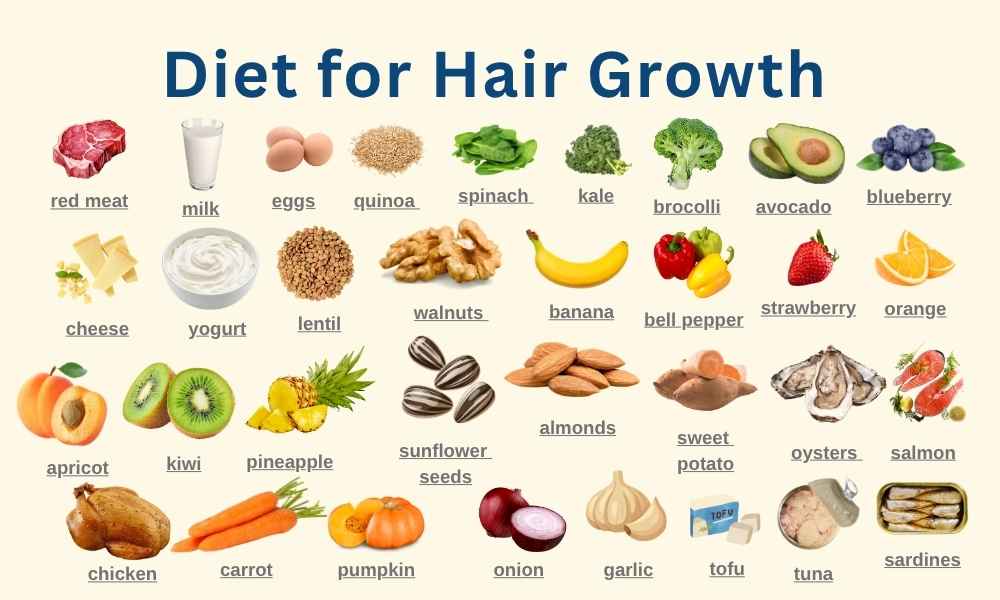
To diversify your intake, consider including these nutrient-dense options:
- Spinach, Kale
- Sweet Potatoes, Carrots
- Broccoli, Bell Peppers
- Avocado, Pumpkin
- Beets, Tomatoes
Protein Sources for Hair Growth
Since hair is primarily made of protein, these sources are vital:
- Eggs, Chicken
- Turkey, Salmon
- Tuna, Greek Yogurt
- Cottage Cheese, Lentils
- Chickpeas, quinoa
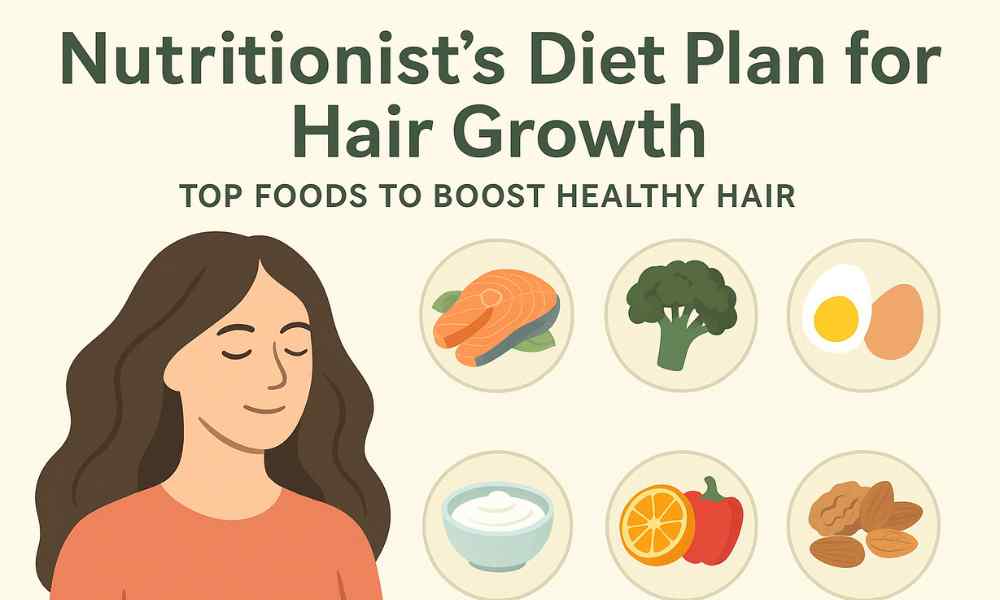
High-Quality Protein
Hair is mostly composed of keratin, which is a specialized protein. Consequently, inadequate protein intake or poor quality protein compromises hair synthesis. You should prioritize lean meats, poultry, eggs, and dairy. Furthermore, plant-based alternatives like legumes and soy products are excellent choices. Make sure to include protein at every meal to sustain a steady amino acid supply for your follicles.
Iron (and Ferritin) – Follicle Metabolism
Iron deficiency is frequently linked to diffuse hair shedding, even in cases without clinical anemia. In fact, measuring ferritin levels is highly useful when dealing with chronic hair loss. To maximize results, try combining dietary iron with vitamin C to boost overall absorption.
Top foods: beef, lamb, oysters, spinach, lentils, pumpkin seeds, iron-fortified oats.
Vitamin D — Follicle Cycling
Vitamin D receptors within the follicles play a major role in regulating the hair cycle. Unfortunately, low levels are often associated with several forms of hair loss. However, consistent sun exposure, a balanced diet, and targeted supplementation can help normalize your status effectively.
Top foods: salmon, mackerel, fortified milk/plant milk, egg yolks.
Omega-3 Fatty Acids — Anti-Inflammatory
These essential fats nourish the scalp and significantly reduce inflammation. Moreover, regular consumption of oily fish may improve hair density over time. Therefore, supporting healthy follicle function with walnuts or chia seeds is a wise strategy.
Zinc & Selenium — Antioxidant Defense
Zinc supports hair matrix cell proliferation; selenium protects against oxidative stress. Deficiency can trigger shedding, while excess intake can worsen hair loss.
Pro tip: Just one or two Brazil nuts per day provide enough selenium.
B-Vitamins and Biotin — Metabolic Cofactors
B-vitamins such as B12 and folate support energy metabolism in your hair cells. While biotin helps those in deficiency states, high-dose supplementation is usually unnecessary for most people. In addition, be aware that excessive biotin can sometimes distort laboratory blood test results.
Vitamin C & Antioxidants — Collagen and Iron Absorption
Vitamin C supports collagen synthesis and enhances non-heme iron absorption. Antioxidants protect follicles from oxidative stress.
Top foods: berries, citrus fruits, peppers, cruciferous vegetables.
Practical Recommendations
- First, start your day with a protein-focused breakfast like eggs or Greek yogurt.
- Second, always combine plant iron with vitamin C (for instance, spinach with citrus).
- Third, aim to include oily fish twice weekly or plant-based omega-3s daily.
- Fourth, ensure your external routine matches your internal efforts. While nutrients fuel growth from within, Vogue Scandinavia’s strategies for building a healthy scalp provide the essential external foundation needed for those nutrients to reach the follicles effectively.
- Finally, avoid crash diets and extreme calorie restriction to prevent sudden shedding.
Sample 3-Day Meal Plan
First Day
- Breakfast: Omelette with spinach + whole-grain toast
- Lunch: Grilled salmon salad with mixed greens, orange slices, pumpkin seeds
- Dinner: Lentil stew with carrots and quinoa
- Snack: Greek yogurt with walnuts and berries
Second Day
- Breakfast: Greek yogurt with chia seeds and kiwi
- Lunch: Turkey and avocado wrap + raw bell peppers
- Dinner: Beef stir-fry with broccoli, bell peppers, and brown rice
- Snack: Brazil nuts (1–2) and an apple
Third Day
- Breakfast: Smoothie with spinach, banana, protein powder (or silken tofu), and flaxseed
- Lunch: Chickpea and roasted sweet potato bowl with lemon-tahini
- Dinner: Mackerel with steamed greens and roasted potatoes
- Snack: Carrot sticks with hummus
Supplements — When They Make Sense
- Iron: Only with confirmed deficiency; monitor for side effects.
- Vitamin D: Supplement when levels are low; re-check after 8–12 weeks.
- Biotin: Useful only in deficiency or after bariatric surgery.
- Multivitamin: Can cover small gaps, but avoid megadoses.
What Research Proves — and Doesn’t
- Correcting deficiencies improves density and reduces shedding.
- Supplements are not a cure-all for pattern baldness or autoimmune hair loss.
- Biotin helps mainly in deficiency; evidence in general use is weak.
Red Flags & Safety Cautions
- Sudden or patchy hair loss requires medical evaluation.
- Shedding after illness or dieting may be telogen effluvium — usually temporary.
- Excess vitamin A, selenium, or zinc can worsen shedding.
References
- Trüeb RM. Value of Nutritional Treatment for Hair Loss. PMC, 2021.
- Patel DP et al. A Review of the Use of Biotin for Hair Loss. PMC, 2017.
- ISHRS Patient Guide — Best Vitamins and Minerals for Hair Growth.
-
Treister-Goltzman Y, Yariv R, Peleg R. Iron Deficiency and Nonscarring Alopecia in Women: Systematic Review and Meta-Analysis. Skin Appendage Disord. 2021;7(6):429-437. doi:10.1159/000516088
-
Guo EL, Katta R. Diet and Hair Loss: Effects of Nutrient Deficiency and Supplement Use. Dermatol Pract Concept. 2017;7(1):1-10. doi:10.5826/dpc.0701a01